Call us now :08045478644
 Send Inquiry
 Send Inquiry
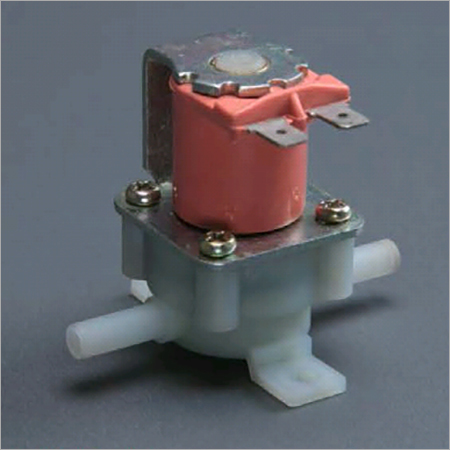
Inlet or Feed valves
Price 5000 INR/ Piece
MOQ : 1 Piece
Inlet or Feed valves Specification
- Air Discharge
- Controlled via Outlet
- Noise Level
- Below 20 dB
- Condition
- New
- Material
- Brass/SS/Plastic
- Dimensions
- Varies by Model (Standard: 1/2 to 2 BSP)
- Lubrication Type
- Maintenance-Free
- Configuration
- Inline Installation
- Mute
- Yes
- Driven Method
- Manual or Automatic
- Working Presssure
- Up to 10 Bar
- Temperature Range
- -10C to 120C
- Finish
- Polished/Coated
- Media
- Liquids and Gases
- Seal Material
- NBR/PTFE/Silicone
- End Connection
- BSP/NPT
- Application
- Suitable for Water, Oil, Gas, and Air Feed Lines
- Handle Type
- Lever or Knob
- Mounting Position
- Horizontal/Vertical
- Connection Type
- Threaded or Flanged
- Port Size
- 1/2 inch, 3/4 inch, 1 inch, 1.5 inch, 2 inch
Inlet or Feed valves Trade Information
- Minimum Order Quantity
- 1 Piece
- Supply Ability
- 1000 Pieces Per Month
- Delivery Time
- 5 Days
- Main Domestic Market
- All India
About Inlet or Feed valves
- Outlet : 10.5 mm, 12.5 mm,1/4" BSPM
- Inlet : 3/4" BSPM
- Mounting : Mounting Bracket (Optional)
- Food Contact : On request
- Flow rate: 1.5 / 2.5 / 5 / 10 / 30 LPM
- Inlet Filter: Polyacetal, 0.45 mm
- Available Valve Type : Normally Closed (0.2 to 8 bar), Normally Open (0.2 to 3 bar), Low Pressure (600 mm WC), Magnetically Latching (0.2 to 6 bar)
Available Versions and Voltages :
- G series : Normally Closed 6 V DC*, 12, 24, 36, 48 V DC, 110 V*, 230 V AC
- N Series : Normally Open 12, 24, 36, 48 V DC
- L Series :Magnetically Latching: 6- 12 V DC, 60 mS, 9 Ohms.
- D Series : Low pressure direct acting, 12, 24, 36, 48 V DC, 230 V AC
Versatile Media Compatibility
Designed to handle liquids and gases, these inlet and feed valves are a practical choice for controlling water, oil, gas, and air flow. The use of multiple seal materials such as NBR, PTFE, and silicone ensures chemical compatibility and longevity across different applications.
Flexible Installation Options
Install easily on a variety of systems with threaded (BSP/NPT) or flanged end connections. Valves are available in multiple port sizes (1/2 to 2 inches) and suit both horizontal and vertical mounting positions. Polished or coated finishes and various handle types offer both aesthetics and customizability.
Engineered for Reliability and Silence
Each valve is built for quiet operation, maintaining noise levels below 20 dB and featuring a maintenance-free lubrication design. Their robust construction is ready for challenging environments, tolerating temperatures from -10C to 120C and pressures up to 10 bar, all while managing precise airflow or fluid delivery.
FAQs of Inlet or Feed valves:
Q: How do I select the correct inlet/feed valve for my application?
A: Choose your valve based on the media (water, oil, gas, or air) you need to handle, the required connection type (threaded BSP/NPT or flanged), and appropriate port size (from 1/2 to 2 inches). Also consider operating temperature range, working pressure, and seal material (NBR, PTFE, or silicone) for optimal compatibility and performance.Q: What benefits do the noise-reduction features of these valves offer?
A: These valves are designed for exceptionally quiet operation, maintaining noise levels below 20 dB. This contributes to a more comfortable and safer environment, especially in noise-sensitive industrial or commercial settings, without compromising efficiency.Q: When should I use a maintenance-free inlet or feed valve?
A: Maintenance-free valves are especially advantageous in hard-to-access or continuous-operation systems where routine upkeep would be challenging. Their self-lubricating design reduces downtime and maintenance costs, making them suitable for new installations requiring reliable long-term performance.Q: Where can these valves be installed in my system?
A: These valves are suitable for inline installation in both horizontal and vertical positions. Their adaptability, with multiple mounting orientations and compatible end connections, makes them ideal for varied piping setups in commercial, industrial, or utility infrastructure.Q: What process is involved in controlling air discharge through these valves?
A: Air discharge is managed precisely via the outlet, ensuring controlled and safe evacuation as needed. The design allows for exact regulation of flow rate, supporting customization based on the demands of each specific application.Q: How does the chosen seal material affect the valves performance?
A: Each seal materialNBR, PTFE, or siliconeis selected for its resistance to particular fluids and temperatures. This ensures reliable operation with your chosen media, prevents leaks, and extends service life under varied pressure and temperature conditions.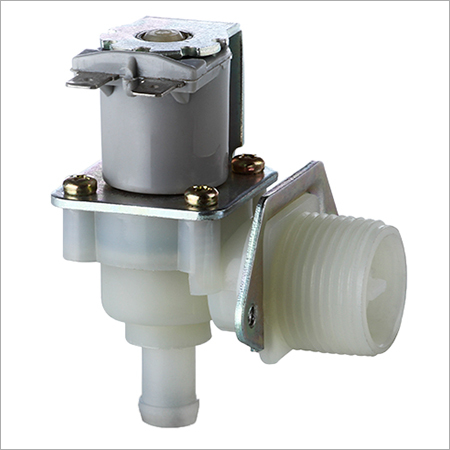
Tell us about your requirement

Price:
Quantity
Select Unit
- 50
- 100
- 200
- 250
- 500
- 1000+
Additional detail
Mobile number
Email

More Products in Solenoid valves Category
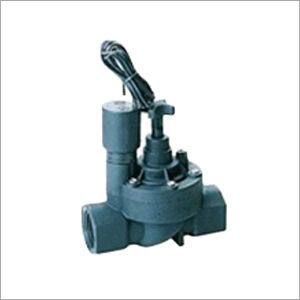
I-10F-M-F Solenoid Valve
Price 1500 INR / Piece
Minimum Order Quantity : 10 Pieces
Condition : New
Mute : Yes
Material : Brass Body with Nitrile Rubber Seal
Configuration : 2/2 Way, Normally Closed
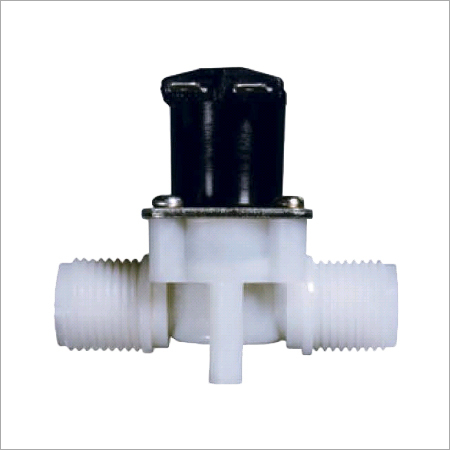
Threaded Straight Bistable Latching Solenoid Valve
Price 350 INR / Piece
Minimum Order Quantity : 10 Pieces
Condition : New
Mute : Yes
Material : Brass body, Stainless Steel internals, NBR seals
Configuration : Threaded Straight
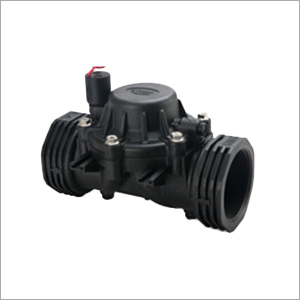
I-30F-M-F Solenoid Valve
Price 7500.00 INR / Piece
Minimum Order Quantity : 40 Pieces
Condition : New
Mute : No
Material : Aluminum Alloy
Configuration : 2/2 Way
Straight Valve Adopts QC fittings
Price 200 INR / Piece
Minimum Order Quantity : 10 Pieces
Condition : New
Mute : Yes
Material : Brass with Chrome Plating
Configuration : Straight Valve with QC Fittings


 Send Inquiry
Our Products


No. 3711/A, GIDC, Phase-IV, Vatva, Ahmedabad - 382445, Gujarat, India

Mr. Kalpak Shah
(Director)
Mobile :08045478644
 Send Inquiry
 Send SMS
 Call Me Free
Developed and Managed by Infocom Network Private Limited.
